Why did the US Treasury intervene to support the Japanese yen? And what does this tell us about the growing risks in global financial markets? Gene Tunny and John Humphreys examine the connections between exchange rates, government bonds, inflation and public debt. They discuss why selling US Treasury bonds could push up American borrowing costs, the dangers of high debt combined with higher interest rates, and whether Australia is better placed to weather future financial turbulence.
Why did the US Treasury intervene to support the Japanese yen? And what does this tell us about the growing risks in global financial markets? Gene Tunny and John Humphreys examine the connections between exchange rates, government bonds, inflation and public debt. They discuss why selling US Treasury bonds could push up American borrowing costs, the dangers of high debt combined with higher interest rates, and whether Australia is better placed to weather future financial turbulence.
Gene would love to hear your thoughts on this episode. You can email him via contact@economicsexplored.com.
1. Why bond markets matter for financial stability. Rising government bond yields can signal concerns about inflation, public debt and investor confidence. Bond markets can provide early warnings of economic trouble, although they cannot predict crises with certainty.
2. How Japan's currency problems could affect US borrowing costs. The Japanese defending a weak yen may involve selling US Treasury securities. Such sales can put upward pressure on Treasury yields, increasing the cost of US government borrowing.
3. Why high debt and high interest rates are a dangerous combination. Governments that accumulated large debts during the era of low interest rates may face difficult fiscal choices if borrowing costs remain elevated.
4. How inflation complicates government debt management. Higher inflation can reduce the real value of existing nominal debt, but it can also drive up interest rates and undermine investor confidence.
5. Why Australia has advantages, but cannot be complacent. Australia's AAA sovereign credit rating, ability to borrow in Australian dollars and relatively favourable debt position provide important protections. However, global financial instability and excessive domestic borrowing remain risks.
00:00 John Humphreys warns about bond markets
00:19 Introduction and episode context
02:00 Japan's weak yen and US intervention
06:02 Why selling US Treasuries matters
09:28 Bond markets as an early warning system
11:30 The dangers of high debt and rising interest rates
13:30 US debt servicing costs and inflation risks
16:55 How much worse could bond markets get?
17:58 Australia's debt position compared with other countries
22:02 Australia's AAA rating and borrowing in its own currency
25:07 The debate over inflation and implicit default
28:50 Three lessons from global bond markets
29:16 James Carville's famous bond market remark
29:33 Closing remarks
ATA newsletter on Financial warning signs:
https://austaxpayers.substack.com/p/financial-warning-signs
ATA livestream this episode is based on:
https://www.youtube.com/live/zt54ihtN-5k?si=TGBKwNLwFWeuTT2C
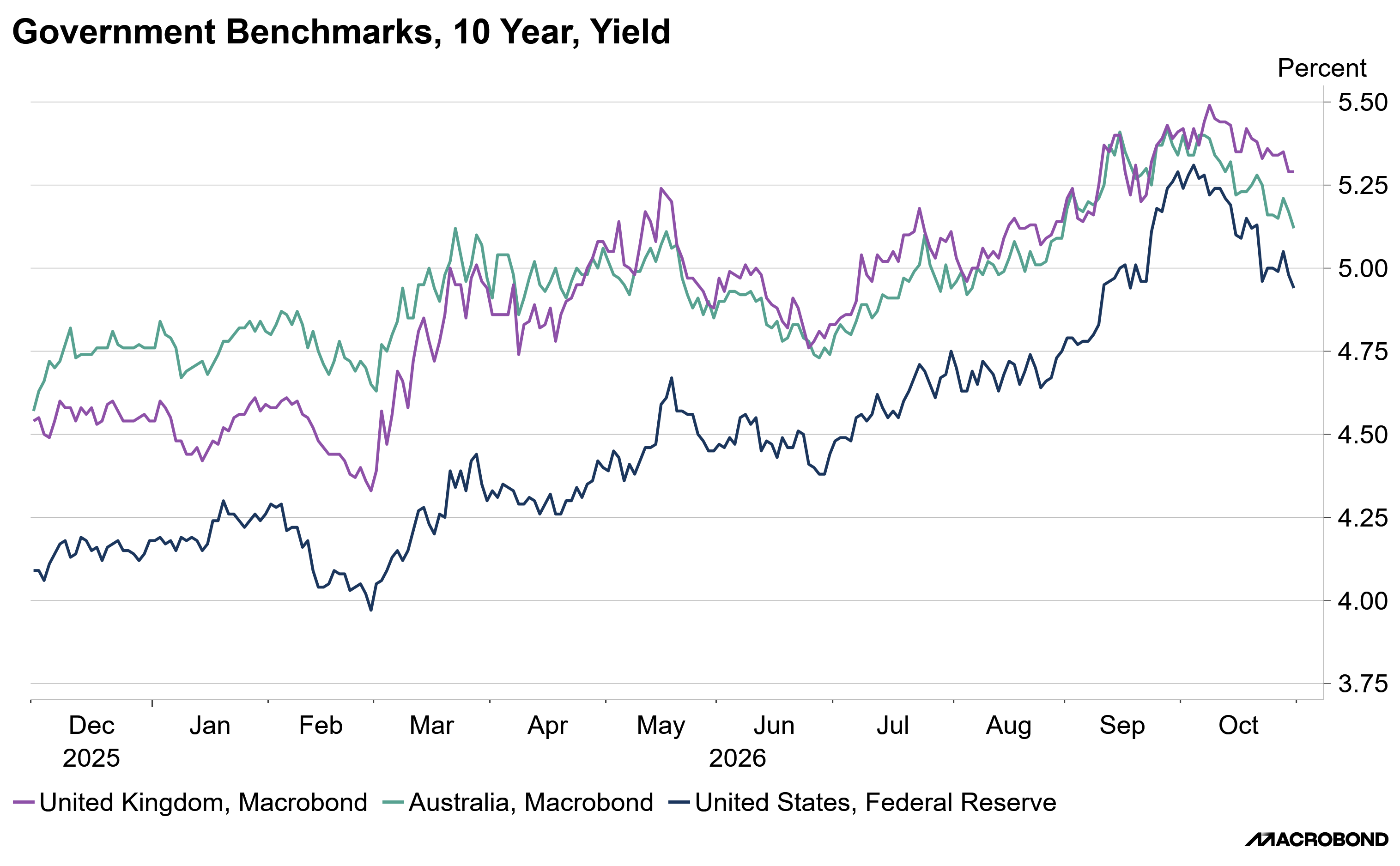
Government bond yields chart:
https://economicsexplored.com/wp-content/uploads/2026/10/Bond-yields-10-years-Australia-UK-US.png
Yen to USD exchange rate chart:
https://economicsexplored.com/wp-content/uploads/2026/10/USD-Yen-exchange-rate.png
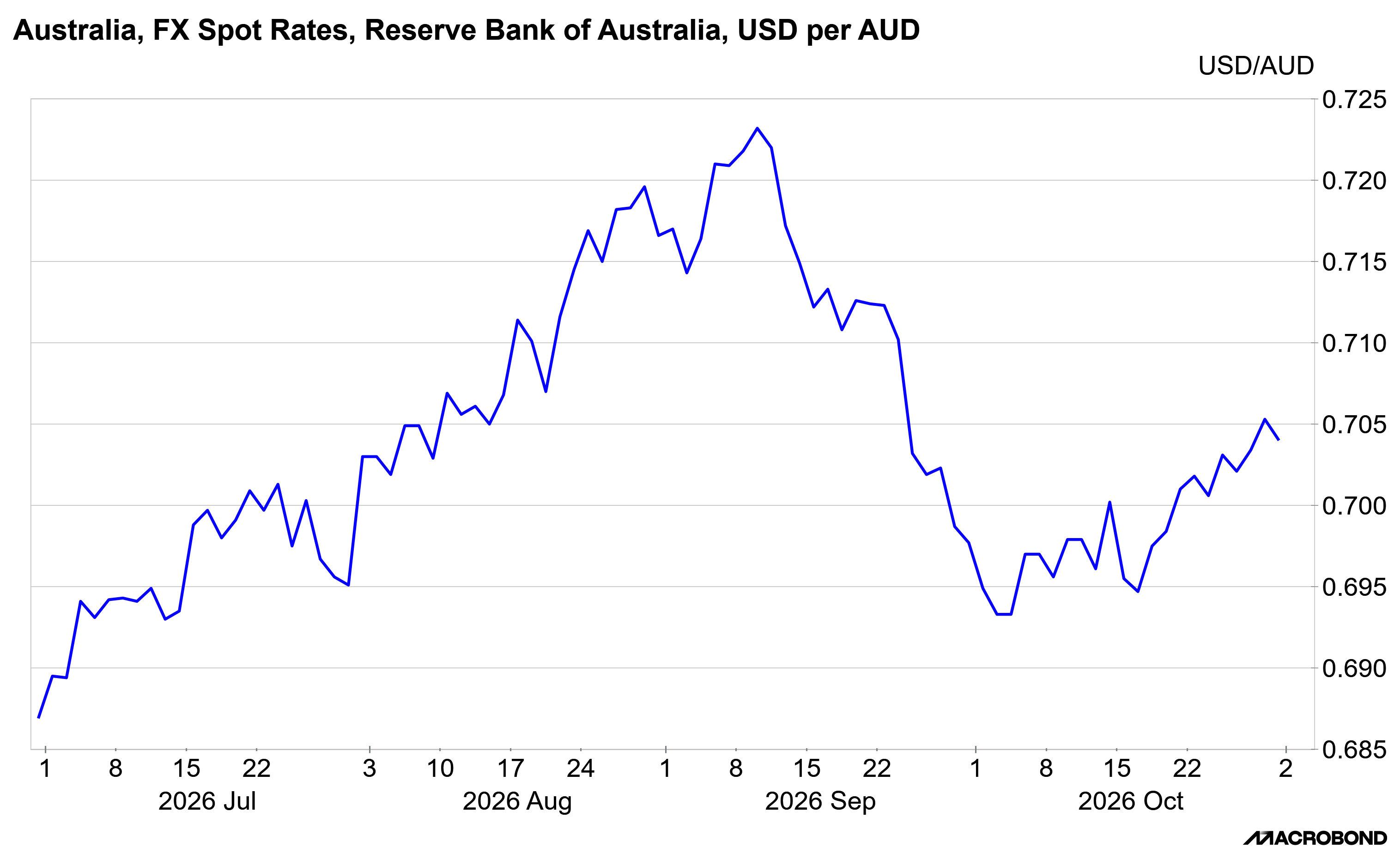
USD to Australian dollar exchange rate chart:
https://economicsexplored.com/wp-content/uploads/2026/10/USD-AUD-exchange-rate.png
10% off Lumo Coffee’s Seriously Healthy Organic Coffee.
Website: https://www.lumocoffee.com/10EXPLORED
Promo code: 10EXPLORED